 S3V
NO
S3V
NO
S3V
NO
S3V
NO
Every other world in this catalogue is somewhere you would die in seconds. This is the one where you can stand outside without a suit on, and the only reason is a shell of gas so thin it barely shows up when you draw it to scale.
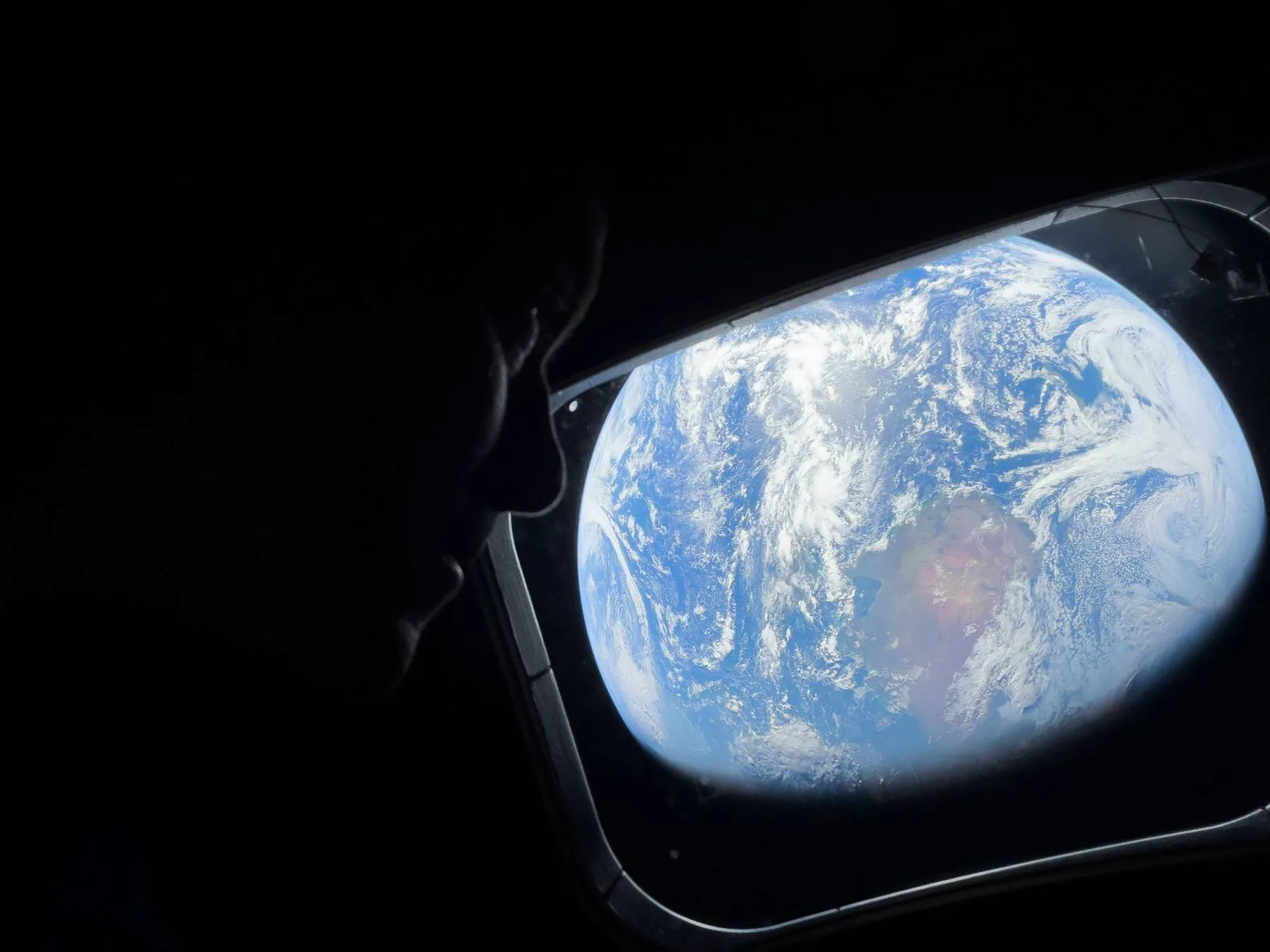
art002e008486 - Commander Reid Wiseman looks back through an Orion window on the way to the Moon, April 2026. NASA titled the frame "Thinking of You, Earth".
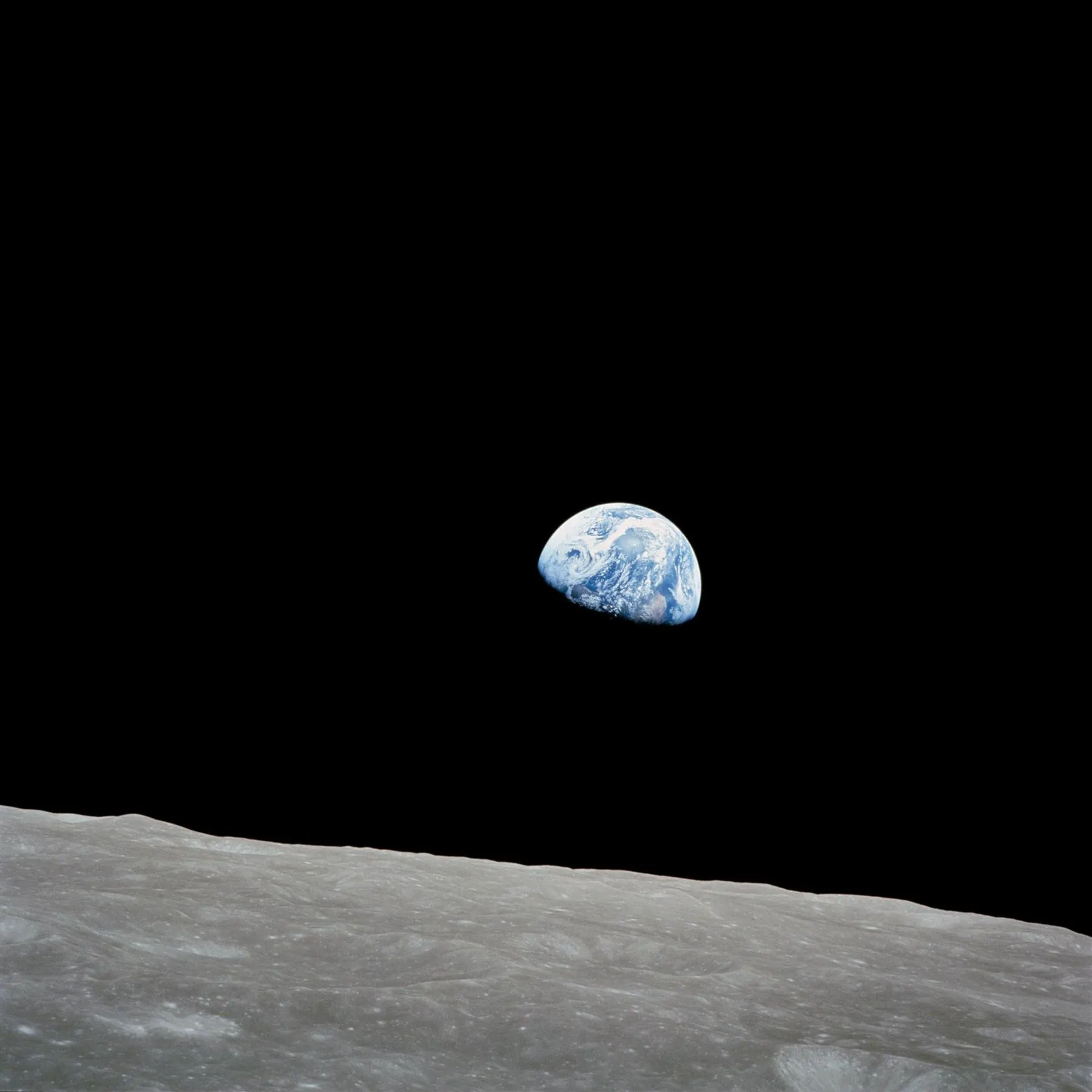
We came all this way to explore the Moon, and the most important thing is that we discovered the Earth.Bill Anders, Apollo 8, 1968
Anders was not supposed to take that photograph. Earthrise was not on the flight plan, there was no procedure for it, and the crew had to scramble for a colour magazine while the Moon rolled underneath them. It became one of the most reproduced images ever made, and it is usually credited with starting the modern environmental movement.
The point was never the Moon. The point was the first time anyone looked back.
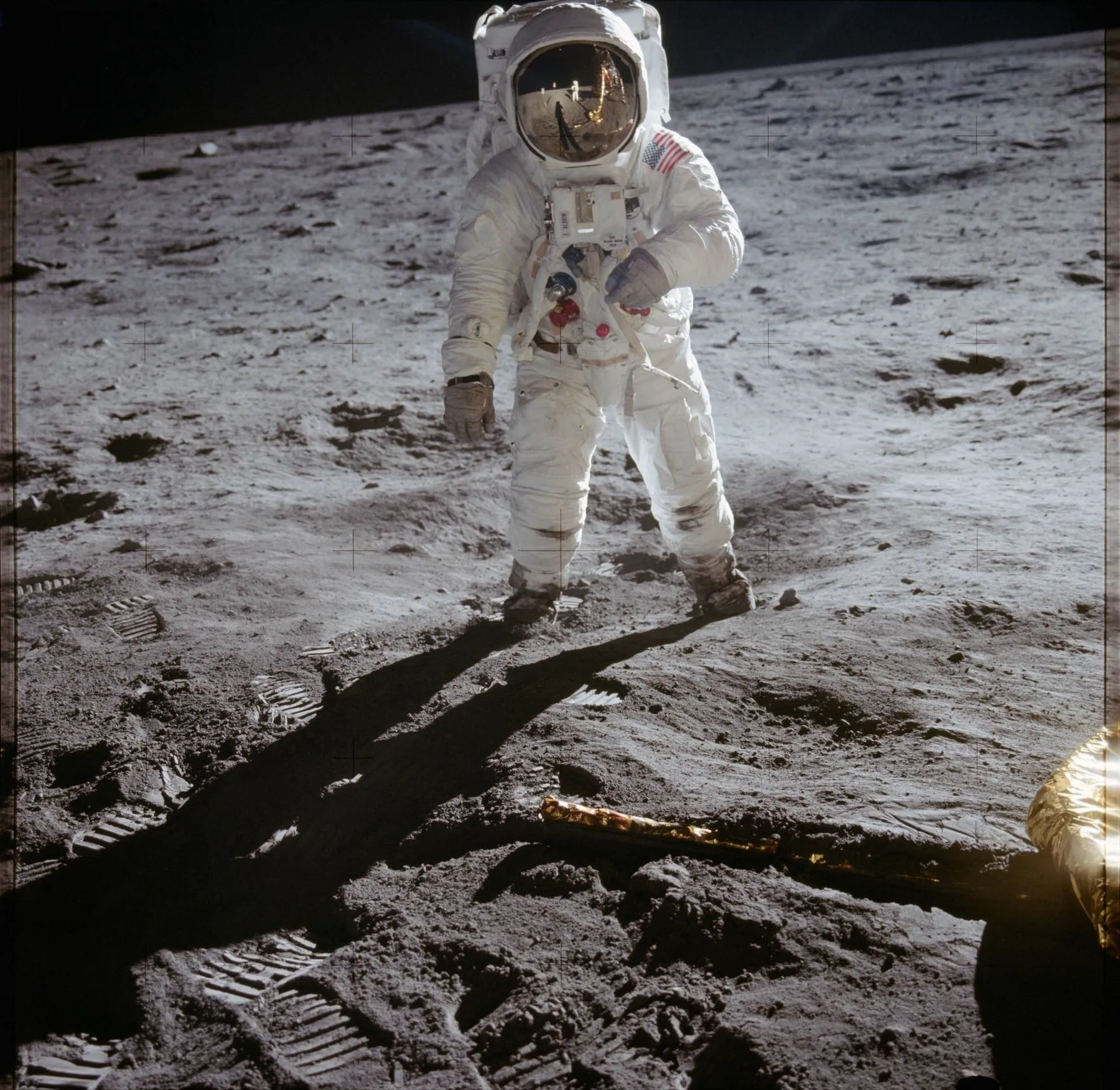
Between 1968 and 1972 about two dozen people were far enough away to hold the whole planet in one glance. After Apollo 17 came home in December 1972, nobody was - for more than fifty years. Every full-disc photograph in between was taken by a machine.
The hero image on this page is a person doing it again, out of a window, by hand.
Three rocky planets formed in the same disc, out of the same material, within about forty million years of each other. Two of them are uninhabitable. Nobody is entirely sure why we are the exception.
Draw Earth to scale and the entire breathable atmosphere is thinner than the line you drew the planet with.
Everything you have ever breathed sits in the bottom eight kilometres of that. Half the mass of the atmosphere is below the summit of Everest. On Venus the only layer at Earth pressure and temperature is fifty kilometres up, floating above a surface that would crush you.
Five real photographs, ordered by how far the camera was from the subject. The frame gets smaller because the planet does.
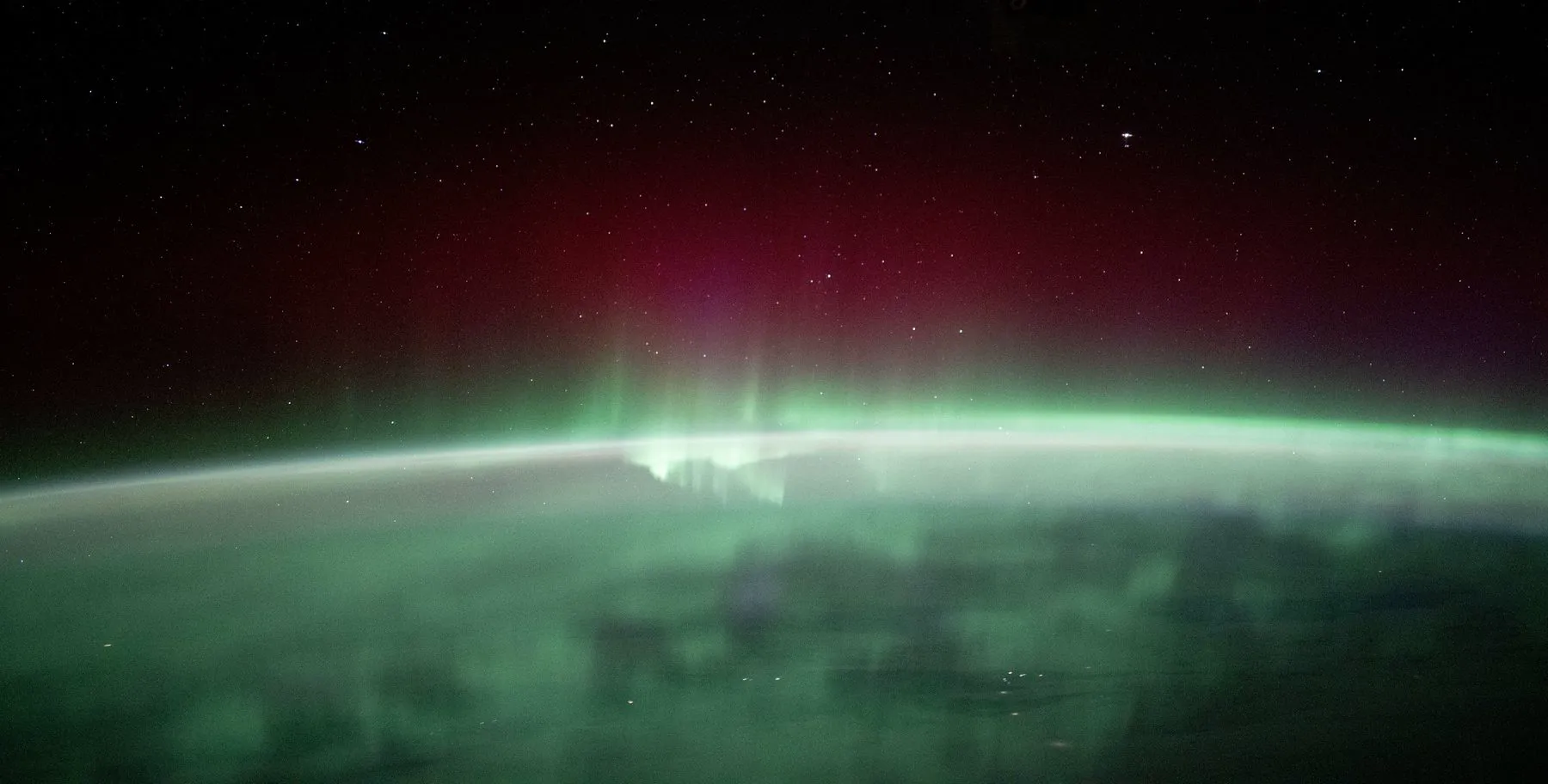
Close enough that the aurora is beside the window rather than below it, and the curve of the horizon is something you notice rather than something you see.
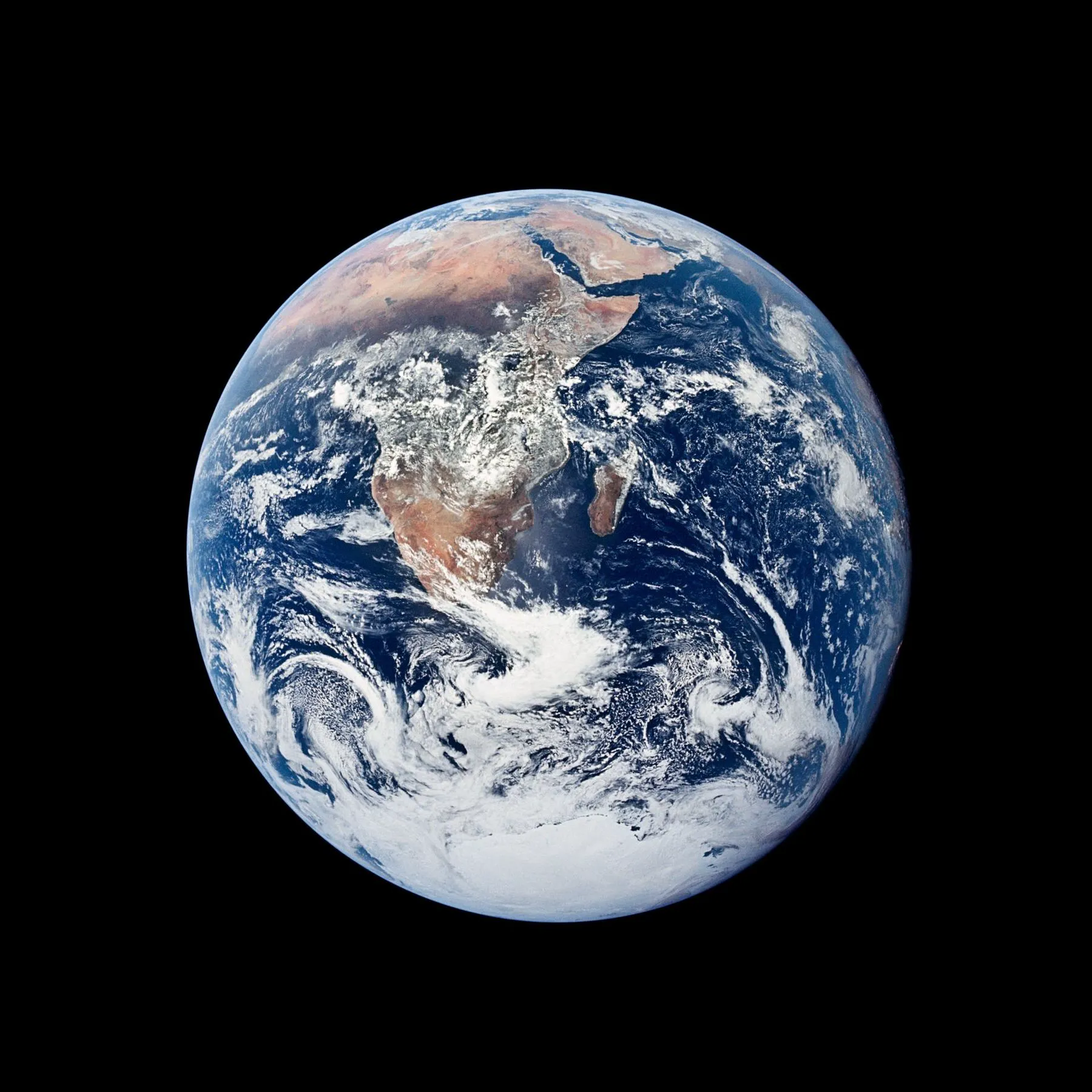
The whole planet, fully lit, in one frame. Shot by hand out of a window five hours after launch, on a Hasselblad, by a crew who were not primarily there to take it.
Earthrise. Not in the flight plan, not on the checklist, and the reason anyone started arguing about the whole planet as one object.
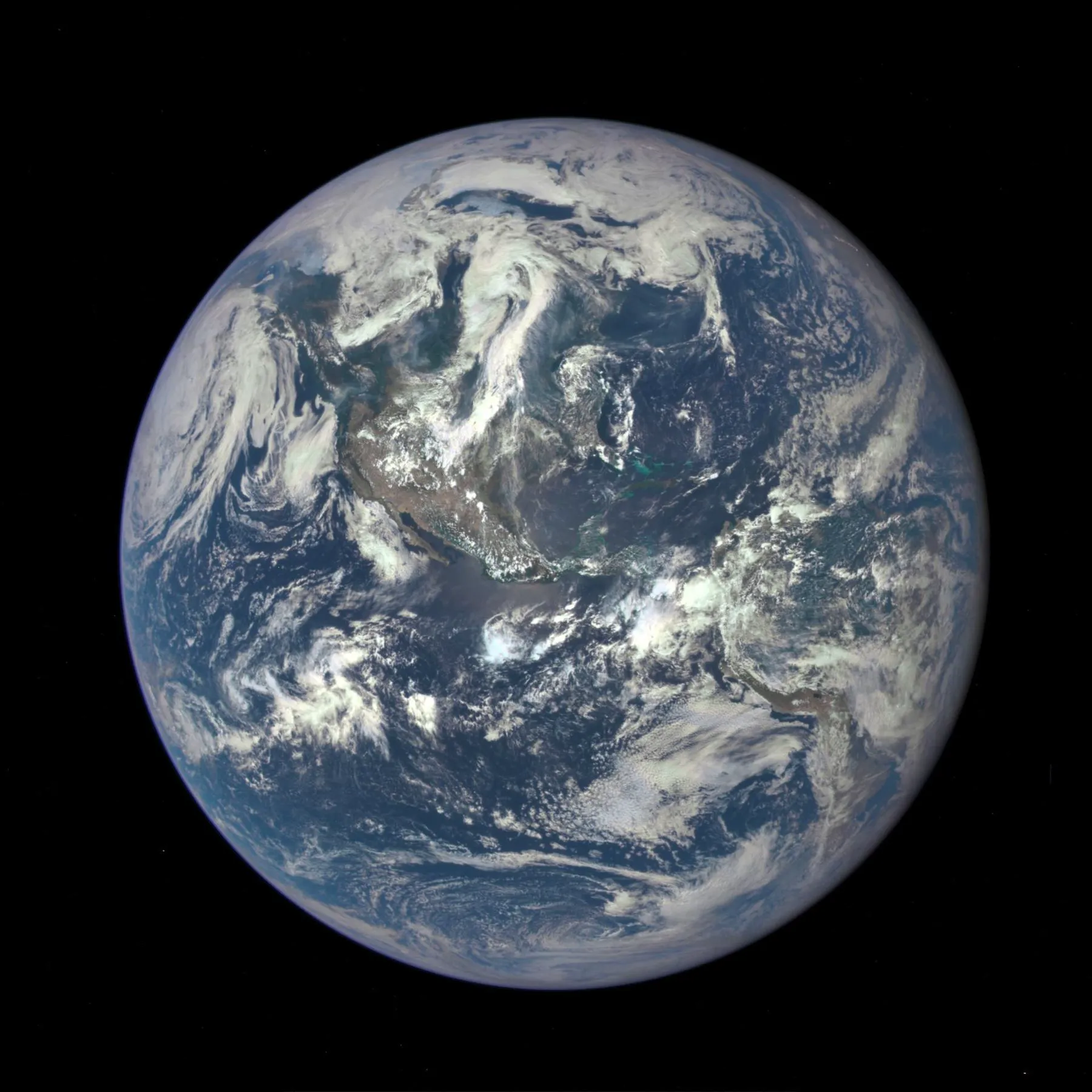
A camera parked at the gravitational balance point between Earth and the Sun, photographing the sunlit face once every couple of hours, indefinitely.
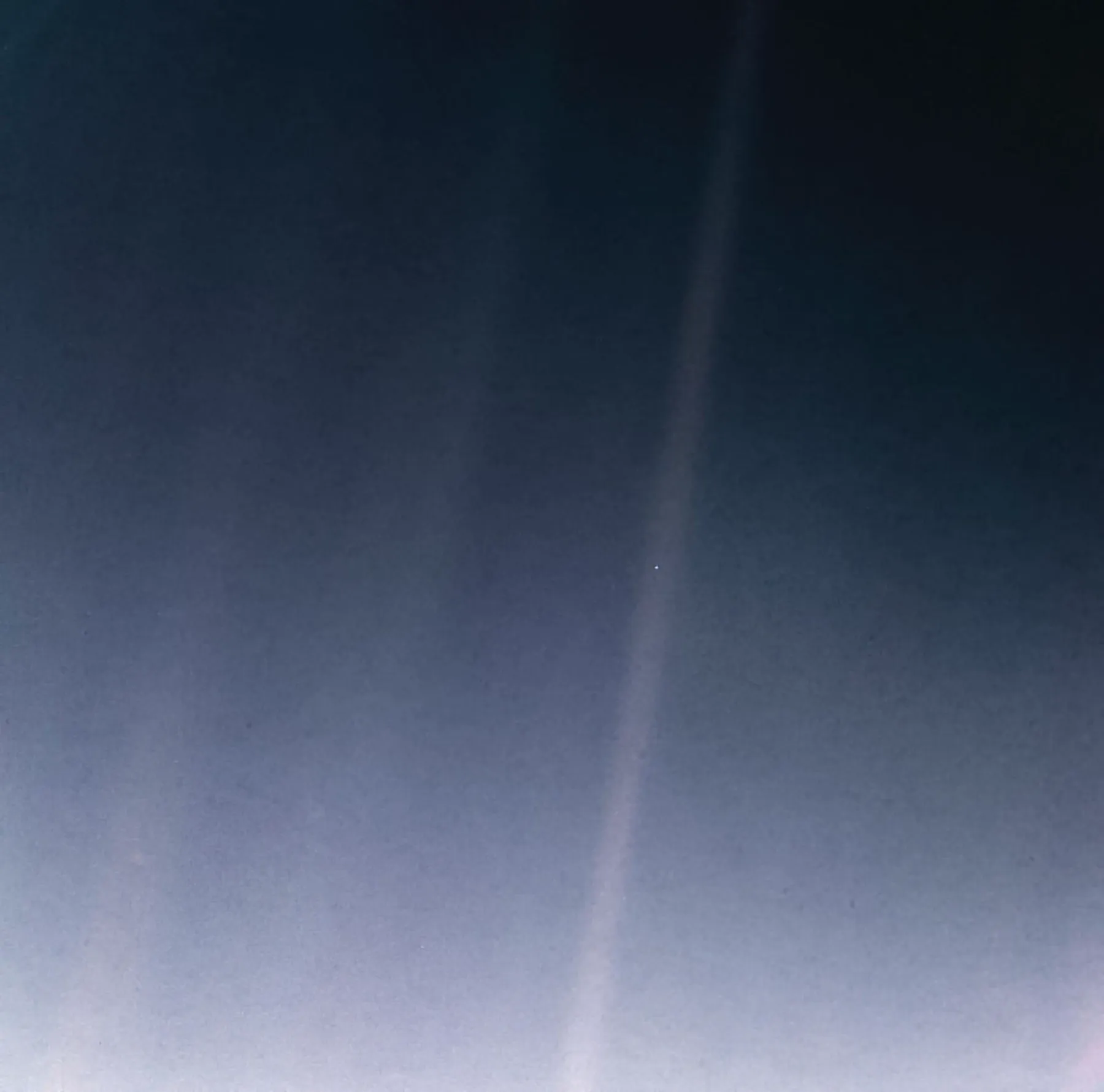
Everyone who has ever lived, in a single pixel, caught in a band of scattered sunlight. The camera was turned around for this and then switched off for good.